
Big screen, big impact: bringing your community together through film
A film screening can be a simple, welcoming way to bring people together, explore local issues and start conversations that continue long after the credits roll.
Community action on climate and sustainability takes many forms, what lasts is the impact on the people who volunteer, organise and take part. Sometimes community action begins by sitting down together and watching. A shared film creates a reason to gather, an experience to reflect on and a natural starting point for conversation.
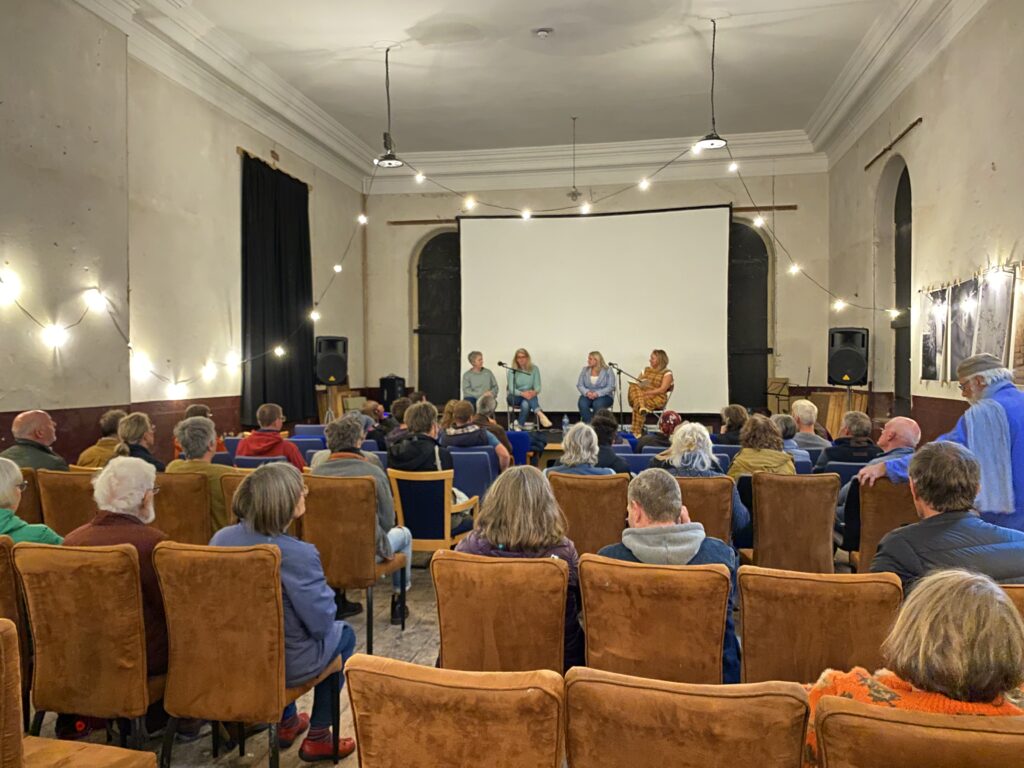
A full house in Wiveliscombe
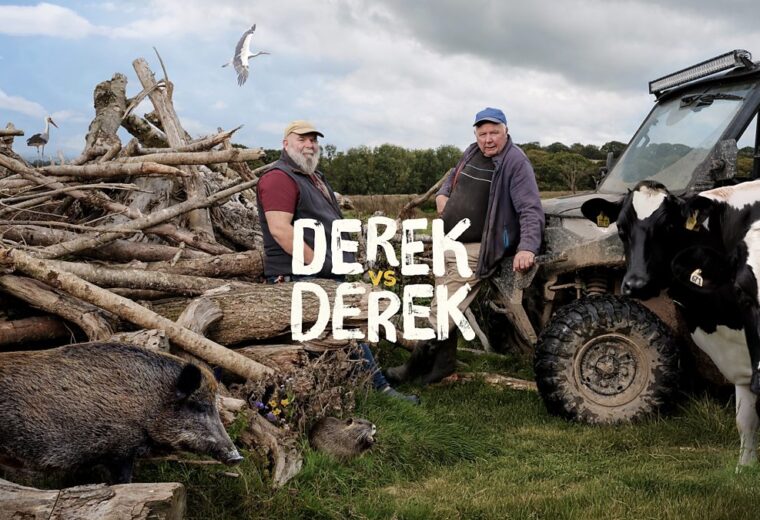
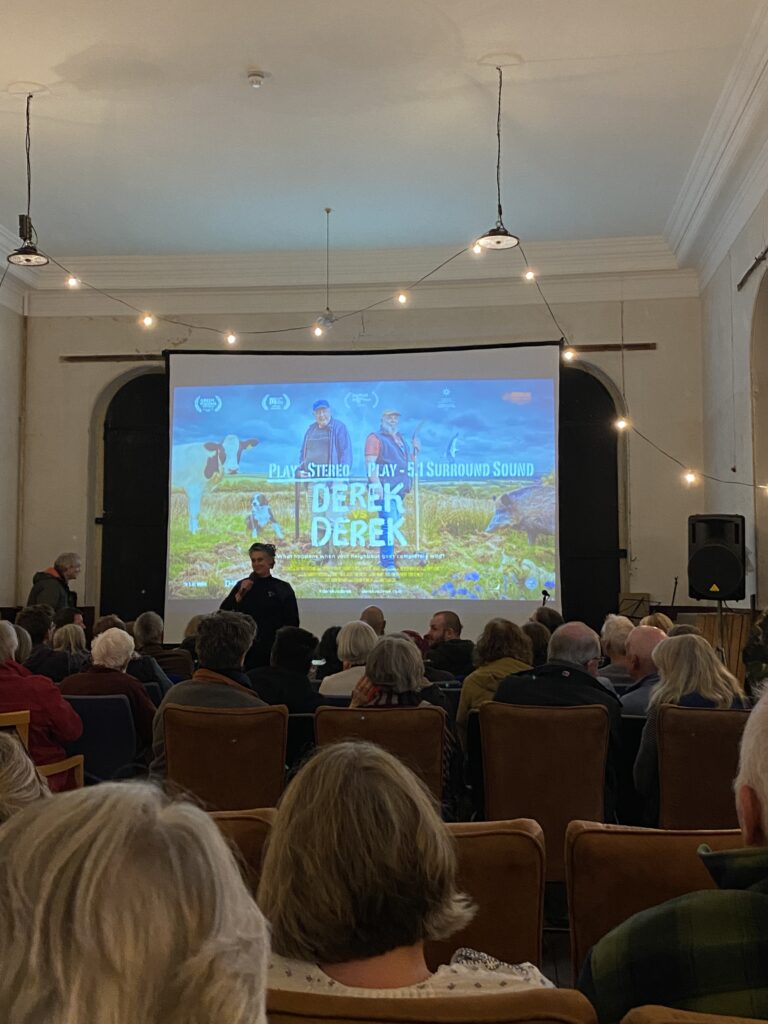
On 16 October, CAG Somerset supported local partners to host a screening of Derek vs Derek at Wiveliscombe Town Hall, followed by a panel question-and-answer session.
- Alexis Thomas of Higher Roddon Farm brought first-hand farming experience into the room.
- Rosie Bennett of Evolution ABS Ltd and former Chair of National Federation of Young Farmers Clubs explored the financial and practical choices farmers face every day.
- Professor Alice Moseley of the University of Exeter, who also lives and works on her family farm, offered both academic and practical insights.
The sold-out screening welcomed 90 people. Their interest showed how a thoughtfully chosen film, a familiar local venue and space for discussion can create a powerful shared experience.
Thank you to everyone who attended, and especially to the panellists for sharing their time, energy and expertise.
And a massive thank you to Emma Bettridge, a Trustee Wiveliscombe Town Hall, and all the volunteers at Wiveliscombe Town Hall for their promotion and set up of the screening in a historic venue that is springing back into action. To find out more about events and the fundraising efforts to make the space more accessible including the installation of toilet facilities and a lift visit the town hall website.
https://wiveliscombetownhall.org.uk/
How to run a community film screening
You do not need to create a full-scale cinema experience. Start with a clear purpose, keep the practical arrangements manageable and make space for people to connect.
1. Choose a film with your community in mind
Think about who you hope will attend and what might spark their interest. A locally relevant theme or an accessible story can help attract people who may not usually come to a climate or sustainability event. Check the screening licence and any associated fee before promoting the event.
2. Find a welcoming venue
A village hall, community centre, library or other familiar space can work well. Check accessibility, seating, sound, projection, internet requirements and blackout options. Test the equipment in the room before the day.
3. Invite conversation
A short discussion after the film helps people process what they have seen. You could invite a local practitioner, campaigner, researcher or someone with lived experience of the subject. Keep the panel small and allow plenty of time for audience questions.
4. Make it easy to attend
Share the date, time, venue, accessibility information, ticket arrangements and film running time clearly. If possible, offer refreshments and build in a little time before and after the screening for casual mingling. If it is possible to include subtitles this can allow more people to enjoy the full experience. Other accessibility considerations such as hearing induction loops and audio descriptions services may be welcomed.
5. Keep the momentum going
End with one or two simple next steps: mention another local event, a relevant group to join, or a practical action people can take. Follow up with attendees where appropriate and thank the venue, speakers, volunteers and partners.
Useful resources
- Great Big Green Week’s film-screening guide offers ideas for creating small cinema moments with a big community impact.
- CAG Oxfordshire’s Film and Speaker List can help you find a film that suits your audience and aims.
Ready to create your own cinema moment?
A community screening does not have to be complicated. Begin with a film worth sharing, bring people into a welcoming space and give the conversation room to grow. Your event may last only an evening, but the connections and ideas it creates can travel much further.


People powered change
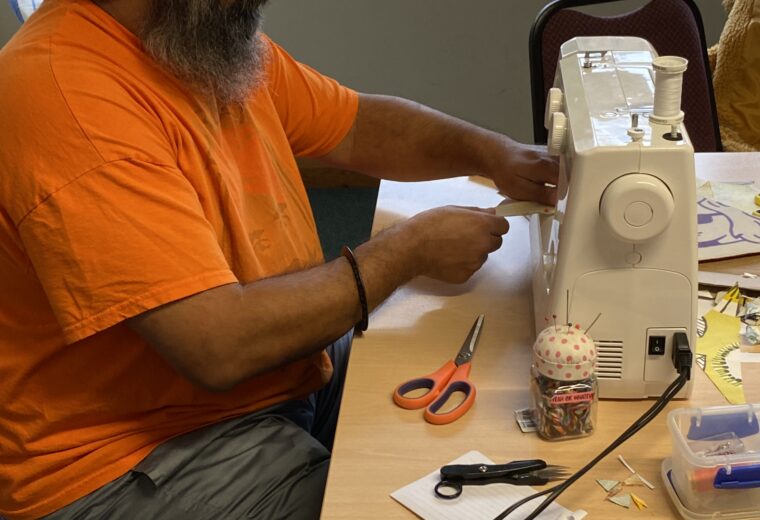
We support and help community action groups who focus on re-use, repair, reduction, sharing, surplus food or composting.
